Product Overview
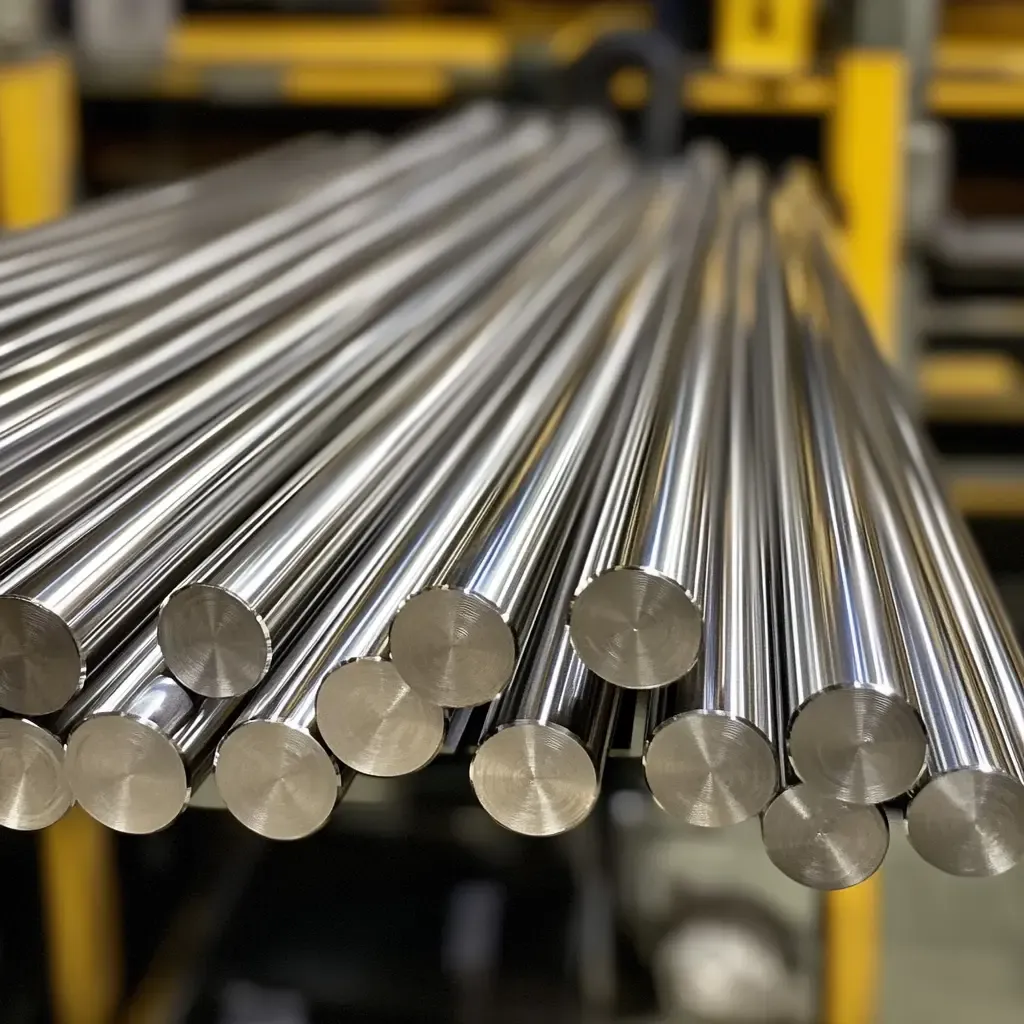
Wear-resistant steel plates in AR400 and AR500 grades are engineered for environments where abrasive wear, impact, and sliding friction degrade standard structural steels. These plates are supplied in quenched and tempered (QT) condition, achieving a hardness range of 300 to 600 HBW depending on the grade. Inventory includes NM360, NM400, NM450, NM500, Hardox 400/450/500/600, and DILLIDUR 400/500, all produced to GB/T 24186, EN 10029, and SSAB Hardox specifications. Thicknesses span from 6 mm to 80 mm, with widths up to 3,000 mm, allowing fabrication of large liners, chutes, and hoppers without unnecessary welds. The controlled carbon equivalent (CEV) in these grades—typically below 0.45% for NM400—ensures weldability under standard procedures, critical for structural integrity in mining and material handling equipment.
The metallurgical process for AR400 and AR500 involves precise heating to austenitizing temperature (around 900°C), followed by rapid water quenching to form a martensitic microstructure, then tempering at 150–250°C to relieve internal stresses while retaining hardness. This yields a surface hardness of 400 HBW for AR400 and 500 HBW for AR500, with through-hardness uniformity within ±20 HBW across the plate thickness per ASTM A514 and EN 10025-6 standards. For applications requiring higher abrasion resistance, Hardox 600 reaches 600 HBW, suitable for extreme wear zones in slurry pipelines and crusher components. Brinell hardness testing per ISO 6506-1 and ultrasonic inspection per EN 10160 guarantee defect-free material, with flatness tolerances meeting EN 10029 Class N (≤4 mm/m for thicknesses under 50 mm).
Fabrication capabilities at the Suzhou facility include plasma cutting up to 80 mm thickness with kerf tolerances of ±1.5 mm per ISO 9013, and flame cutting for thicker sections with heat-affected zone control to minimize hardness loss. Bending is available for plates up to 20 mm thick using press brakes with 1,000-ton capacity, achieving bend radii as tight as 3x plate thickness for AR400 and 5x for AR500, per AWS D1.1 structural welding code guidance. For weldable grades, pre-qualified welding procedure specifications (WPS) based on ISO 3834-2 certification are provided, using low-hydrogen electrodes (e.g., AWS E7018 or E11018) to prevent hydrogen-induced cracking. Carbon equivalent values are documented per IIW formula: CEV = C + Mn/6 + (Cr+Mo+V)/5 + (Ni+Cu)/15, ensuring values below 0.50% for NM450 to maintain field weldability without preheat in many cases. Additional data from field tests shows that AR400 plates with CEV of 0.42% can be welded at ambient temperatures down to 5°C without preheat, reducing fabrication time by 15% in cold climates.
Applications & Industries
In the mining industry, AR400 and AR500 plates are specified for dump truck bodies, chute liners, and hopper walls where ore with a Mohs hardness of 5–7 causes rapid abrasive wear. A typical 50 mm thick AR500 liner in a primary crusher hopper can extend service life by 300% compared to structural steel (e.g., S355JR), reducing downtime from quarterly to annual replacement cycles. For iron ore processing plants in Western Australia, NM400 plates have demonstrated wear rates below 0.1 mm per 1,000 tons of material handled, based on field data from conveyor transfer points. The plates are also used in bucket liners for excavators and loaders, with thicknesses of 20–40 mm providing impact resistance against rocks weighing up to 2 tons, meeting ASTM G65 dry sand/rubber wheel abrasion test standards for qualification. In cement plants, AR500 liners in vertical roller mills achieve a wear life of 8,000 hours at a feed rate of 200 tons per hour, compared to 2,500 hours for standard wear-resistant steel, per EN 14104 abrasion testing.
Oil and gas operations demand wear-resistant steel for slurry handling in drilling mud systems, frac sand transport, and pipeline elbows. AR400 plates with a hardness of 400 HBW are fabricated into 12 mm thick chute liners for sand separators in the Permian Basin, operating at flow velocities up to 8 m/s with silica sand concentrations of 15% by weight. For offshore platforms in the North Sea, Hardox 450 is used in mud tank agitator blades and shale shaker screens, where saltwater corrosion combined with abrasive cuttings requires a balance of hardness and corrosion resistance—tested per ASTM B117 salt spray for 500 hours with no pitting below 0.1 mm depth. These plates meet NACE MR0175/ISO 15156 for sour service when specified, with controlled sulfur content below 0.005% to prevent sulfide stress cracking in H2S environments. In refinery catalyst handling systems, AR500 plates with a hardness of 500 HBW are used in slide valves operating at 650°C, with thermal fatigue resistance tested per ASTM E606 to withstand 10,000 thermal cycles without cracking.
Power generation plants, particularly coal-fired and biomass facilities, use AR500 plates for pulverizer mill liners, ash handling chutes, and boiler feed pipe bends. In a 600 MW coal plant, 30 mm thick AR500 liners in a ball mill can withstand 50,000 hours of operation before replacement, handling coal with a Hardgrove Grindability Index (HGI) of 40–60. For wind turbine foundations, NM360 plates serve as wear pads on tower flanges, resisting fretting wear from dynamic loads of 3–5 MN during 20-year design life per IEC 61400-1. In shipbuilding, AR400 is specified for dredger hopper bottoms and bucket ladder pins, where abrasion from sand and gravel at depths of 30–50 m requires plates with Charpy V-notch impact energy of 27 J at -20°C per EN 10025-6, ensuring toughness in cold seawater operations. In agricultural equipment, NM450 plates are used in tillage tools such as chisel plow shanks, achieving a wear life of 1,500 hectares per set in sandy loam soils, per ASAE S414.1 abrasion testing.
Why Choose Leading Top Union for Wear-Resistant Steel Plate (AR400/AR500)
ISO 3834-2 certification for welding quality, EN 1090-2 EXC3 for structural fabrication, and AWS D1.1 for steel structures are held, ensuring every wear-resistant plate supplied meets international standards for traceability and performance. The quality management system includes mill test certificates per EN 10204 Type 3.1, documenting chemical composition (C, Mn, Si, Cr, Mo, Ni, B) and mechanical properties (yield strength, tensile strength, elongation, hardness) for each heat. For AR400, typical yield strength is 1,000 MPa minimum, tensile strength 1,250 MPa, and elongation 10% in 2 inches per ASTM E8. Third-party inspection reports from SGS or Bureau Veritas are available upon request, covering dimensional checks, hardness mapping, and ultrasonic testing per ASTM A578 Level B.
Fabrication services include plasma cutting with CNC accuracy of ±0.5 mm over 3 m lengths, flame cutting for plates up to 80 mm with bevel angles from 15° to 45° for weld preparation, and bending to radii as tight as 2.5x thickness for NM360. Over 2,000 tons of wear-resistant plates are stocked in grades NM360 through NM500 and Hardox 400 through 600, with thicknesses from 6 mm to 80 mm and widths up to 3,000 mm, enabling lead times of 2–4 weeks for standard orders. For urgent projects, cutting and delivery can be expedited within 7 working days. The technical team provides welding procedure specifications (WPS) qualified per ISO 15614-1, including preheat temperatures (typically 100–150°C for AR500) and interpass limits (max 250°C) to maintain hardness in heat-affected zones. For AR400 plates thicker than 50 mm, preheat at 75°C is recommended to reduce cooling rate and prevent martensite formation in the HAZ, verified by hardness testing per ASTM E384.
Global EPC firms in oil and gas, mining, and power generation trust these wear-resistant plates for projects requiring compliance with ASME Section IX, DNV-GL, and API specifications. AR400 liners for a copper mine in Chile with 12,000 tons per day throughput have achieved 18-month service life versus 6 months for standard steel. For a petrochemical plant in Saudi Arabia, Hardox 500 plates for catalyst transfer lines operating at 400°C were delivered, with thermal stability verified per ASTM E21 hot tensile tests. The logistics network covers FOB Shanghai, CIF Rotterdam, and DDP Houston, with packaging per ISPM 15 for export. Contact the engineering team at sales@leadingtopunion.com for material selection guidance, custom cutting drawings, or a quotation for the next wear-resistant steel project. For high-impact applications, such as gyratory crusher liners, finite element analysis (FEA) per ANSYS can be provided to optimize plate thickness and reduce weight by up to 10% while maintaining structural integrity.